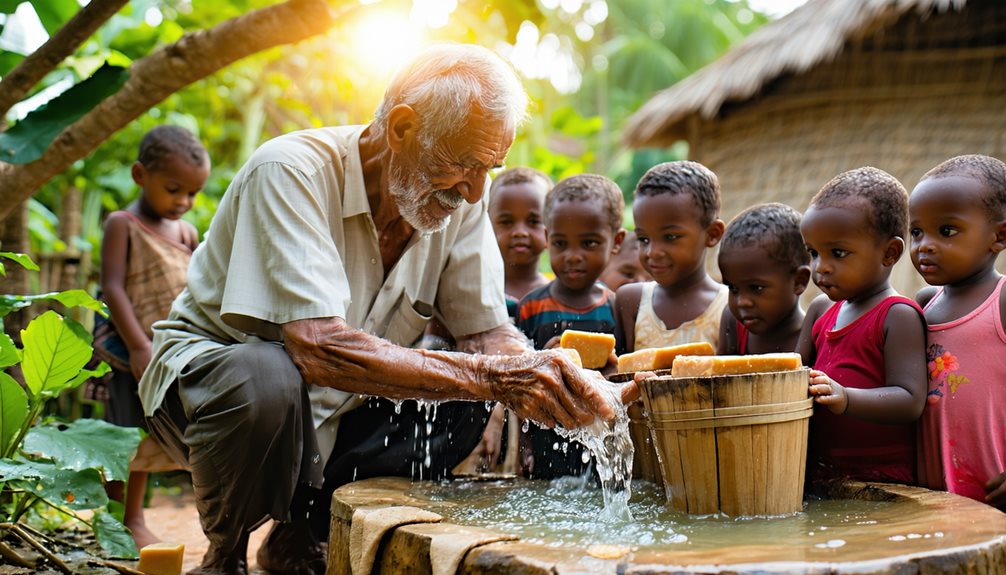
Prioritizing hygiene education from local experts is essential for effectively addressing community-specific health needs. Local experts bring a deep understanding of cultural nuances that enable the development of tailored educational strategies, improving acceptance and long-term success. By crafting personalized materials in local languages and using familiar visual aids, they enhance comprehension and encourage behavior change. The involvement of local experts fosters trust and encourages community ownership, while integrating traditional practices guarantees the resonance of modern hygiene standards. This collaboration not only improves health outcomes but also establishes a foundation for sustainable and culturally relevant health practices, leading to further insights.
Benefits of Local Expertise
Local expertise in hygiene education offers a multitude of benefits that are both practical and impactful. When local specialists are engaged in hygiene education, it fosters a deeper understanding of the community’s unique needs and cultural nuances. This insight enables the development of tailored strategies that are more likely to be embraced by the community, ensuring sustainability and long-term effectiveness.
One significant benefit of leveraging local expertise is the facilitation of collaborative partnerships. Local experts can bridge gaps between various stakeholders, including healthcare providers, educational institutions, and governmental bodies. These partnerships can lead to resource sharing, enhanced training programs, and innovative approaches that address hygiene challenges effectively.
Moreover, community involvement is essential in driving successful hygiene education initiatives. Local experts are well-positioned to mobilize community members, fostering a sense of ownership and empowerment. By engaging community leaders and influencers, these experts can create a ripple effect, encouraging widespread participation and adherence to hygiene practices.
This approach not only enhances public health outcomes but also contributes to building resilient communities capable of adapting to future challenges. Fundamentally, the integration of local expertise in hygiene education is a catalyst for innovation and sustainable development within communities.
Personalized Care Approaches
Personalized care approaches in hygiene education frequently emphasize the importance of tailoring strategies to individual and community-specific needs. This method recognizes that a one-size-fits-all approach may overlook the unique cultural, environmental, and socioeconomic factors influencing hygiene practices.
Personalized strategies are essential in addressing these nuances, ensuring that hygiene education is both relevant and effective. By leveraging localized knowledge, educators can craft interventions that resonate more deeply with the target population, leading to improved outcomes.
Individualized support plays a vital role in empowering communities to adopt healthier practices. It facilitates the development of bespoke educational materials and programs that reflect the specific challenges and resources of a given community.
For instance, communities in arid regions may require distinct water conservation techniques compared to those in more humid climates. By addressing these differences, hygiene education becomes more impactful and sustainable.
Furthermore, personalized care approaches foster a sense of ownership and engagement among community members. When individuals see their specific needs and circumstances reflected in educational content, they are more likely to embrace and implement the recommended practices.
This innovative approach not only enhances hygiene standards but also contributes to a broader culture of health and well-being.
Building Community Trust
Building community trust in hygiene education is greatly enhanced by leveraging the local knowledge advantage and prioritizing cultural sensitivity.
Local experts, familiar with the community’s unique practices and beliefs, are better positioned to tailor educational initiatives that resonate with their audience.
Local Knowledge Advantage
In the domain of hygiene education, the profound impact of community trust cannot be underestimated. Local experts, armed with intimate knowledge of community dynamics, play a pivotal role in fostering this trust. Their familiarity with local customs and practices allows them to tailor hygiene education initiatives that resonate with the community, enhancing both understanding and acceptance.
Community involvement is essential, as these experts can engage residents in meaningful dialogue, fostering a sense of ownership and responsibility towards hygiene practices.
Regional initiatives led by local experts leverage their unique insights to design strategies that are not only effective but also sustainable. These initiatives can be visualized through:
-
Localized Workshops: Conducted by familiar faces, these workshops encourage participation and facilitate open discussions about hygiene challenges and solutions.
-
Community-Led Campaigns: Initiatives spearheaded by local figures guarantee that messages are culturally relevant and widely accepted, maximizing reach and impact.
-
Feedback Loops: Continuous improvement is guaranteed through regular feedback from community members, allowing for adaptive strategies that address emerging needs.
Such profound integration of local knowledge into hygiene education not only reinforces community trust but also empowers residents to contribute actively to their well-being, driving innovation and long-term change.
Cultural Sensitivity Matters
Understanding community dynamics is just the beginning; cultural sensitivity serves as the cornerstone for building lasting trust in hygiene education. In an increasingly globalized world, the ability to engage with diverse populations through cultural awareness is essential. This approach not only respects local traditions and practices but also fosters a more open dialogue about hygiene.
When people feel that their cultural identity is honored, they are more likely to embrace new ideas and practices, leading to more effective health outcomes.
Evidence suggests that respectful communication, tailored to local customs and languages, greatly enhances the acceptance of hygiene education initiatives. According to a study published in the Journal of Public Health, programs that incorporate cultural sensitivity have higher participation and success rates. This is particularly important in regions where traditional beliefs deeply influence daily practices.
For innovative solutions in hygiene education, leveraging local experts who inherently understand these cultural nuances is vital. They can navigate cultural complexities, ensuring that educational content is relevant and relatable.
Access to Tailored Resources
Access to tailored resources is essential for effective hygiene education, as it guarantees information is culturally relevant and resonates with the local population.
Customized learning materials that incorporate local languages and traditions enhance comprehension and retention, fostering more meaningful engagement.
Culturally Relevant Information
Tailored hygiene education resources are vital for effectively addressing the unique needs of diverse communities. Cultural adaptation plays a pivotal role in guaranteeing that educational materials resonate with local customs and practices. When communities are actively involved in the creation of these resources, they become more relatable and practical. This involvement fosters a sense of ownership and empowerment, leading to higher engagement and successful implementation of hygiene practices.
To illustrate the importance of culturally relevant information, consider these key factors:
-
Language Nuances: Understanding local dialects and idioms is essential for clear communication. This guarantees the message is not only understood but also internalized.
-
Traditional Practices: Recognizing and integrating traditional hygiene methods can enhance acceptance and adherence to new health guidelines without conflicting with cultural norms.
-
Community Leaders: Collaborating with trusted local figures can facilitate the dissemination of information and encourage community-wide participation.
Innovation thrives when local expertise is leveraged to customize hygiene education. By aligning educational resources with cultural values and practices, communities can achieve sustainable health improvements.
This culturally attuned approach is not only respectful but also instrumental in driving meaningful change in hygiene behaviors.
Customized Learning Materials
In many cases, the effectiveness of hygiene education hinges on the availability of customized learning materials that address specific community needs. Educational resources tailored to the unique cultural, environmental, and economic contexts of a community can greatly enhance learning outcomes and encourage meaningful engagement.
By incorporating local dialects, familiar scenarios, and region-specific health challenges, custom materials resonate more deeply with learners, facilitating better understanding and retention of essential hygiene practices.
Studies indicate that when educational resources are contextually relevant, they are more likely to be embraced by the community, leading to sustained behavior change. For instance, visual aids that depict local settings and relatable characters can make abstract concepts more tangible and relatable.
In addition, involving local experts in the development of these resources guarantees that the content is not only accurate but also culturally sensitive, thereby fostering trust and acceptance.
In an era where innovation drives progress, the development of bespoke educational tools represents a forward-thinking approach to public health education.
Localized Health Practices
Amidst the diverse tapestry of global health practices, localized health strategies emerge as vital components in addressing community-specific health challenges. Tailoring health practices to align with the unique needs, cultural contexts, and environmental realities of a community can greatly enhance the effectiveness of interventions.
Localized health practices foster community health by ensuring that hygiene behaviors are not only adopted but sustained over time. Access to tailored resources plays a pivotal role in this localization process.
Community-specific health solutions provide:
-
Cultural Relevance: Health interventions that respect and incorporate local beliefs and practices are more likely to be accepted and practiced consistently.
-
Resource Efficiency: By leveraging local materials and existing community structures, interventions can be both cost-effective and sustainable.
-
Empowerment and Engagement: Engaging local experts and community members in developing health strategies fosters ownership and accountability, enhancing the likelihood of long-term success.
Evidence supports that when communities actively participate in designing health solutions, the resultant strategies are more innovative and responsive.
As global health challenges continue to evolve, prioritizing localized health practices is vital to fostering resilience and adaptability in community health systems. By enhancing hygiene behaviors through tailored resources, communities can effectively navigate their unique health landscapes.
Enhanced Patient Engagement
Effective communication serves as the cornerstone of enhanced patient engagement in the field of hygiene education. By fostering an environment where patients feel heard and understood, healthcare providers can greatly boost patient motivation. This motivation is essential for patients to actively participate in their own health management, leading to improved outcomes.
Interactive sessions play a pivotal role in this process, offering a dynamic platform for patients to learn and ask questions. These sessions encourage a two-way dialogue, making education more personalized and effective.
Research indicates that patients who are actively engaged in their health decisions tend to have better adherence to hygiene practices. Interactive sessions, often facilitated by local experts, enable healthcare providers to tailor their messaging to the specific cultural and contextual needs of the community. This personalized approach not only reinforces patient motivation but also empowers individuals to take charge of their health.
Innovative strategies in hygiene education, such as the use of digital tools and gamification, further boost patient engagement. These tools provide real-time feedback and foster a sense of achievement, making learning both accessible and enjoyable.
Ultimately, effective communication and innovative educational strategies are key to fostering lasting patient engagement.
Supporting Lifelong Oral Health
Achieving and maintaining lifelong oral health is a multifaceted endeavor that requires a thorough approach to education and prevention. Central to this objective is the integration of preventive strategies that focus on the early identification and management of potential oral health issues.
Local experts, with their deep understanding of community-specific needs, play a pivotal role in crafting effective educational programs.
One innovative method to promote lifelong oral health is through community workshops. These workshops serve as interactive platforms where individuals can learn and apply essential oral hygiene practices.
Here are three key benefits of such workshops:
-
Customization: Tailored to address the unique oral health challenges within a specific community, workshops can offer personalized advice and solutions.
-
Engagement: By fostering a participatory environment, these workshops encourage active involvement and empower individuals to take charge of their oral health.
-
Sustainability: Workshops that focus on preventive strategies contribute to long-term oral health by instilling habits that reduce the risk of dental diseases.
Frequently Asked Questions
How Can Hygiene Education From Local Experts Impact Public Health Policies?
Hygiene education from local experts can greatly impact public health policies by fostering community engagement and facilitating policy adaptation. This approach guarantees policies are culturally relevant and responsive, thereby enhancing their effectiveness and fostering innovative public health solutions.
What Role Do Local Experts Play in Emergency Hygiene Situations?
Local experts play a pivotal role in emergency hygiene situations by enhancing community resilience and emergency preparedness. Their deep understanding of local practices and conditions enables tailored, innovative strategies that effectively address immediate needs and long-term public health challenges.
How Does Cultural Diversity Influence Hygiene Education Methods?
Cultural diversity greatly influences hygiene education methods by necessitating the adaptation of educational materials to align with specific cultural practices. This approach guarantees relevance and engagement, fostering innovative strategies that effectively address diverse community needs and promote sustainable hygiene behaviors.
What Are the Challenges in Implementing Local Expert-Led Hygiene Programs?
Implementing local expert-led hygiene programs faces challenges such as resource limitations, which can hinder effectiveness and sustainability. Additionally, fostering community engagement requires innovative strategies to guarantee active participation and adaptation to diverse local needs and cultural contexts.
How Can Technology Support Local Experts in Delivering Hygiene Education?
Technology enhances hygiene education by equipping local experts with digital platforms that facilitate interactive learning and community engagement. These tools enable scalable, personalized education, fostering innovative approaches to address unique community needs and improve public health outcomes.
Conclusion
Prioritizing hygiene education from local experts offers numerous advantages, including the provision of personalized care approaches and the cultivation of community trust. Access to tailored resources enhances patient engagement, fostering a supportive environment for lifelong oral health. The expertise of local professionals guarantees that educational initiatives are relevant and effective, addressing specific community needs. By leveraging local knowledge, communities can achieve better health outcomes and foster a culture that values and maintains ideal hygiene practices.