Fostering community health through dental hygiene education involves several critical components. Emphasize the importance of a balanced diet rich in calcium, phosphorus, and vitamin D to maintain strong teeth and gums. Promote effective brushing techniques, such as the Bass method, and advocate for regular flossing to prevent gum diseases. Regular dental check-ups are essential for early diagnosis and effective prevention strategies. Additionally, partnerships with local organizations and hosting workshops enhance community awareness and access to dental care. Utilizing technology and innovative educational formats can deepen understanding and engagement. A more thorough exploration of these strategies is yet to come.
Importance of Oral Health
In the domain of overall health, the significance of oral health cannot be overstated, as it plays a critical role in maintaining both physical well-being and quality of life.
The intricate relationship between oral health and systemic conditions underscores the necessity for diligent oral hygiene practices. Preventive care serves as the cornerstone of oral health, aiming to thwart the onset of dental diseases that could potentially escalate into more severe health issues.
The implementation of rigorous oral hygiene routines, such as consistent brushing and flossing, is imperative for the prevention of plaque accumulation and periodontal diseases. This proactive approach not only aids in preserving the integrity of teeth and gums but also mitigates the risk of cardiovascular diseases, diabetes, and respiratory conditions, which have been linked to poor oral health.
Innovation in oral health emphasizes the use of advanced diagnostic tools and treatment methodologies to enhance preventive care strategies. Digital imaging and tele-dentistry are revolutionizing the way dental care is delivered, making it more accessible and efficient.
Effective Brushing Techniques
Adeptly maintaining oral hygiene hinges greatly on mastering effective brushing techniques, which serve as the foundation for ideal dental care. The first step involves meticulous toothbrush selection, which requires consideration of bristle texture, head size, and handle design.
Soft-bristled toothbrushes are universally recommended as they effectively remove plaque without damaging enamel or gums. Additionally, a toothbrush with a small head guarantees access to hard-to-reach areas, while an ergonomically designed handle enhances maneuverability.
Brushing frequency is another vital aspect of effective oral hygiene. Dental professionals advocate brushing at least twice daily, ideally in the morning and before bedtime, to prevent plaque accumulation and bacterial proliferation. The duration of each brushing session should be no less than two minutes, guaranteeing thorough cleaning of all tooth surfaces.
Innovative brushing techniques, such as the Bass method, emphasize a 45-degree angle approach, allowing bristles to reach beneath the gum line. This technique, coupled with gentle, circular motions, maximizes plaque removal and minimizes gum irritation.
Incorporating advanced technology, such as electric toothbrushes, can further augment brushing efficacy by providing consistent vibrational movements, fostering superior plaque control.
Mastery of these techniques lays the groundwork for sustained oral health and hygiene innovation.
Flossing for Healthier Gums
Achieving ideal gum health hinges notably on the practice of regular and effective flossing. This indispensable habit targets the interdental spaces where conventional brushing often fails to reach, playing a critical role in the prevention of gum disease.
Advanced flossing techniques, such as the ‘C-shape’ method, involve wrapping the floss around each tooth and gently sliding it beneath the gumline to dislodge plaque and debris. This technique not only cleans more surface area but also minimizes the risk of damaging delicate gum tissue.
Traditional floss may be complemented with innovative tools like water flossers or interdental brushes, which cater to various dental anatomies and personal preferences. Water flossers, for instance, utilize pulsating streams of water to cleanse between teeth and below the gumline, providing an effective solution for individuals with braces or dental work.
The meticulous adoption of these flossing techniques is paramount for mitigating conditions such as gingivitis and periodontitis, both prevalent forms of gum disease.
As dental hygienists and educators, promoting these practices can notably enhance community health outcomes. By integrating precise flossing into daily routines, individuals can safeguard their gums, paving the way toward a future of robust oral health.
Nutrition and Dental Health
While effective flossing techniques greatly improve gum health, nutrition plays a fundamental role in maintaining overall dental wellness. Understanding nutrition’s impact is essential for those seeking innovative approaches to oral health.
Dietary choices directly influence the strength of teeth and the health of gums, making it vital to focus on what we consume.
-
Calcium and Phosphorus: These minerals are paramount in fortifying tooth enamel. They work synergistically to remineralize teeth, counteracting damage from acidic foods. Incorporating dairy products, almonds, and tofu can enhance enamel resilience.
-
Vitamin D: This vitamin is indispensable for calcium absorption, ensuring that the body utilizes calcium efficiently. Sunlight is a natural source, but fortified foods like milk and cereals are excellent dietary options. Adequate vitamin D levels can markedly contribute to ideal dental health.
-
Antioxidants: These compounds reduce inflammation and combat harmful bacteria in the oral cavity. Foods such as berries, nuts, and green tea are rich in antioxidants, promoting a healthy oral environment and potentially reducing gum disease risks.
Regular Dental Check-Ups
Scheduling regular dental check-ups is an important aspect of maintaining ideal oral health. These appointments facilitate early detection and treatment of dental issues, fostering a proactive approach to oral hygiene that is integral to preventive care.
Regular check-ups enable dental professionals to identify potential problems such as cavities, gum disease, and oral cancer at an early stage, where interventions can be more effective and less invasive. Additionally, these visits allow for the removal of tartar and plaque build-up that daily brushing and flossing may miss.
Patient compliance is vital in ensuring the efficacy of these preventive strategies. Encouraging consistent attendance at dental appointments can be achieved through patient education on the long-term benefits of preventive care.
Innovative practices, such as personalized reminders and user-friendly technology to schedule appointments, can enhance patient engagement and adherence to recommended dental routines.
Incorporating digital tools and telehealth consultations can further revolutionize the patient experience, making dental care more accessible and efficient.
Community Education Programs
Community education programs play an essential role in promoting oral health awareness by reaching diverse populations with targeted information.
Implementing educational workshops can effectively disseminate knowledge about proper dental hygiene practices and preventive care.
These initiatives not only enhance individual understanding but also contribute to the overall improvement of public health outcomes.
Promoting Oral Health Awareness
Promoting oral health awareness through community education programs is an essential strategy in enhancing public dental hygiene.
By leveraging oral health campaigns and fostering community partnerships, we can greatly elevate the understanding and practice of oral hygiene within communities. This approach not only addresses immediate dental health concerns but also cultivates long-term preventive behaviors.
Here are three innovative strategies to promote oral health awareness:
-
Digital Oral Health Campaigns: Utilize social media platforms and digital content to disseminate accurate information about oral health. Engaging videos, interactive webinars, and virtual Q&A sessions can reach a broader audience, making dental education accessible and engaging.
-
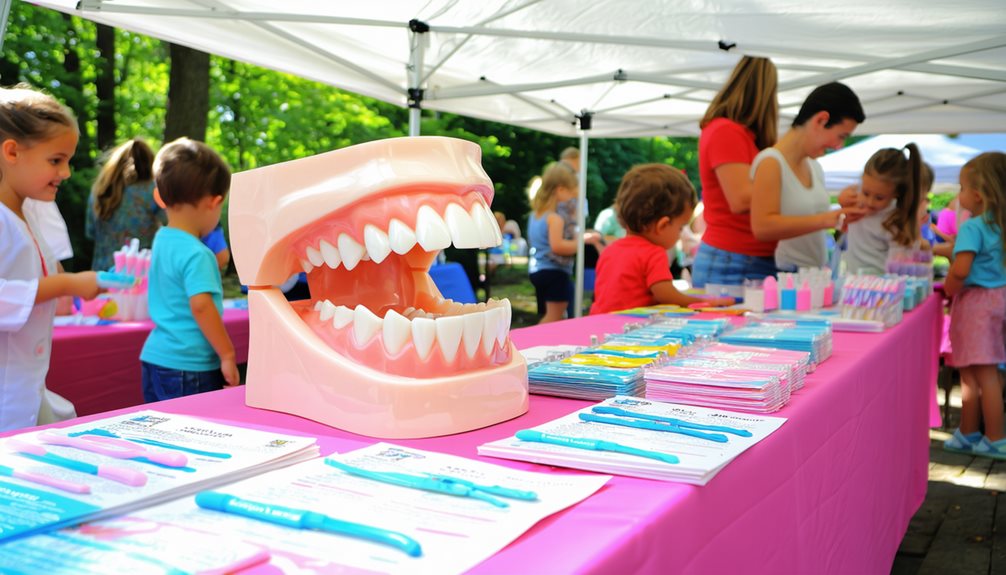
Community Partnerships: Collaborate with local businesses, schools, and healthcare providers to host oral health events. These partnerships can facilitate resource sharing, expand outreach, and foster a supportive community environment for implementing oral health initiatives.
-
Mobile Dental Units: Deploy mobile dental clinics to underserved areas, offering free screenings and educational materials. These units can bridge gaps in access to dental care, providing direct services and guidance on maintaining oral hygiene.
Implementing Educational Workshops
Building on the foundation of oral health awareness, implementing educational workshops offers a structured approach to deepen public understanding of dental hygiene. These workshops serve as an essential component of community education programs, providing an interactive platform to deliver tailored knowledge on oral care.
Selecting appropriate workshop formats is imperative; options include seminars, interactive sessions, and hands-on demonstrations. Each format can be optimized to address specific community needs and learning preferences, ensuring that participants receive the most relevant and practical information.
Effective audience engagement is paramount to the success of these workshops. Innovative methods such as using digital tools, real-time feedback systems, and case studies can enhance participant involvement and retention of information.
Facilitators should prioritize creating an inclusive environment that encourages questions and discussions, fostering a two-way communication channel that enriches the learning experience.
Moreover, the integration of multimedia presentations and cutting-edge dental technologies can further captivate audiences, demonstrating the importance of dental hygiene in a tangible manner.
Frequently Asked Questions
How Can I Choose the Right Toothbrush for My Needs?
Selecting the ideal toothbrush involves considering toothbrush types and bristle firmness. Soft bristles are generally recommended to prevent enamel damage. Additionally, electric toothbrushes may offer superior plaque removal. Personal preferences and specific dental needs should guide the decision.
What Are Some Signs of Dental Hygiene Problems to Watch For?
Key indicators of dental hygiene problems include persistent bad breath, bleeding gums, and tooth sensitivity. These symptoms can signal underlying conditions such as gum disease, necessitating professional evaluation to prevent further oral health deterioration and promote innovative treatment solutions.
How Does Smoking Affect Oral Health?
Smoking consequences on oral health are profound, increasing susceptibility to oral diseases, including periodontal disease, oral cancer, and tooth decay. It compromises blood flow, impairs healing, and exacerbates plaque formation, notably impacting overall dental hygiene and wellness.
Are There Natural Remedies for Maintaining Oral Health?
Natural remedies for oral health maintenance include the use of herbal mouthwash and coconut oil. Herbal mouthwash, rich in antimicrobial properties, and coconut oil, used in oil pulling, can effectively reduce plaque and promote oral hygiene.
How Can Stress Impact Dental Hygiene?
Stress can negatively impact dental hygiene by exacerbating anxiety effects, leading to neglect of oral care routines. Effective stress management techniques are essential to mitigate these impacts, promoting better oral health and innovative approaches to maintaining dental hygiene.
Conclusion
In summary, prioritizing oral health is fundamental for overall well-being. Implementing effective brushing techniques and regular flossing greatly contributes to healthier gums and teeth. Nutritional choices play a key role in maintaining dental health, underscoring the importance of a balanced diet. Routine dental check-ups facilitate early detection and prevention of oral diseases. Community education programs are instrumental in disseminating essential information, thereby empowering individuals to adopt ideal dental hygiene practices and improving public health outcomes.