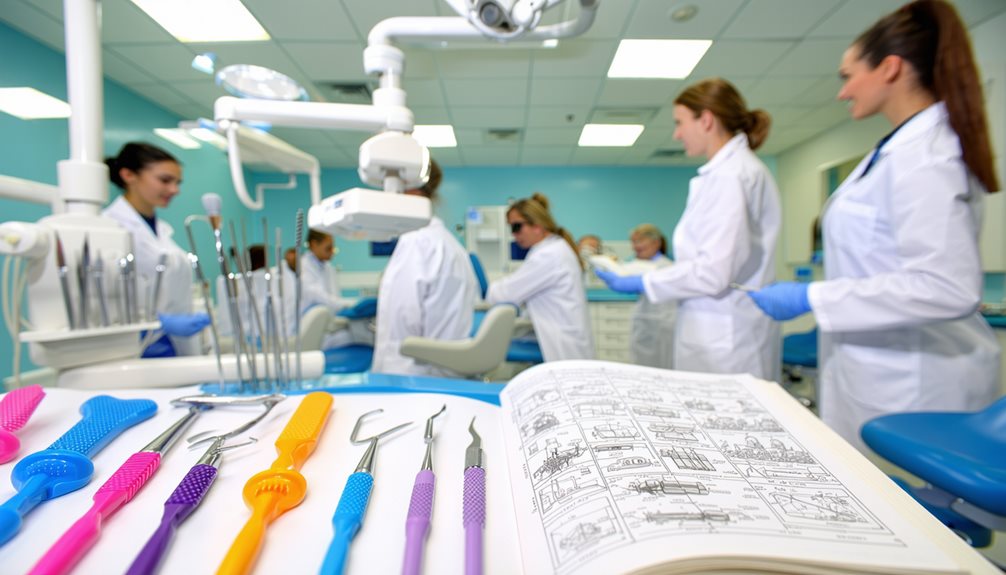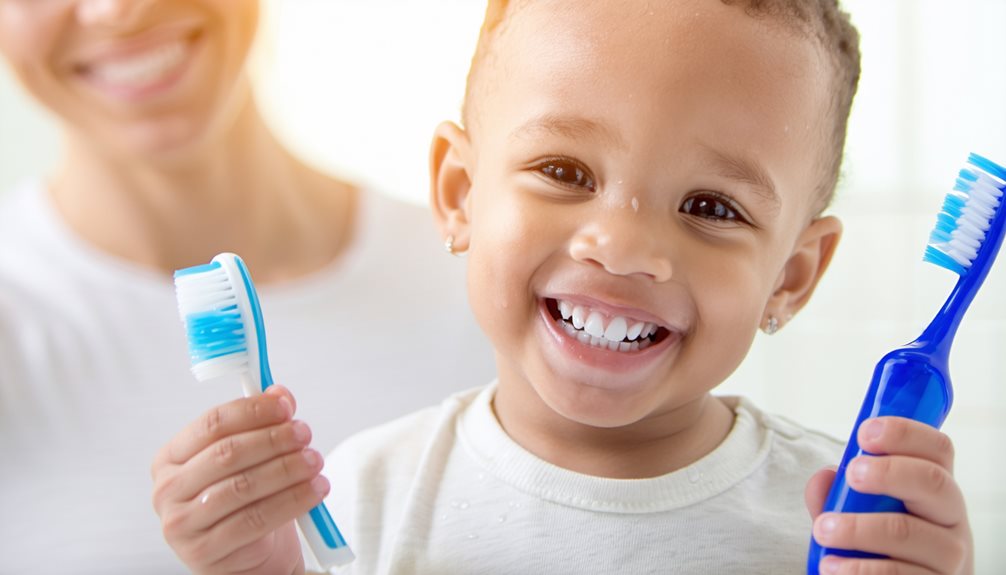
Hygiene education for oral health is essential as it effectively prevents diseases such as dental caries and periodontal disease. Evidence-based education equips patients with vital oral health knowledge and skills, promoting beneficial behaviors like proper brushing and flossing techniques. When combined with advanced tools like electric toothbrushes, patient adherence improves markedly, reducing incidence of plaque and tooth decay. Personalized education plans address individual barriers to change, enhancing long-term dental health outcomes. Embedded within public health initiatives, these educational strategies empower patients, fostering proactive health management. A continued exploration will reveal the thorough benefits and methodologies of oral health education.
Importance of Oral Hygiene Education
Understanding the importance of oral hygiene education is essential for promoting ideal oral health outcomes. Oral hygiene education serves as the cornerstone for preventing dental diseases, including caries and periodontal disease, which are prevalent across all demographics.
Evidence-based education methods are vital in equipping patients with the knowledge and skills necessary to maintain optimal oral health. Incorporating innovative education methods, such as interactive digital platforms and personalized oral care plans, can greatly enhance patient engagement and adherence to recommended practices.
A thorough approach to oral hygiene education should focus on the dissemination of scientifically validated information concerning effective brushing and flossing techniques, the role of fluoride, and the impact of dietary choices on oral health.
The integration of behavioral change theories into educational strategies can further increase the efficacy of these interventions by addressing individual barriers to adherence.
Tailored education methods, aligned with the latest technological advancements, not only foster an informed patient population but also contribute to the reduction of oral health disparities.
Benefits for Long-Term Dental Health
Implementing thorough oral hygiene education greatly contributes to long-term dental health by effectively preventing tooth decay and strengthening gum health.
Evidence indicates that patients who adhere to proper oral hygiene practices experience reduced incidence of caries and periodontal disease.
Preventing Tooth Decay
Toothbrushes and dental floss are essential tools in the fight against tooth decay, a prevalent dental issue that poses considerable risks to long-term oral health.
Tooth brushing, when executed correctly with a fluoride toothpaste, is a cornerstone of preventive oral care. The mechanical action of tooth brushing removes plaque—a biofilm of bacteria that produces acids leading to enamel demineralization. Fluoride usage further enhances this preventive measure by promoting remineralization of enamel, consequently increasing resistance to acid attacks. Evidence suggests that consistent fluoride application reduces caries incidence by up to 40%, making it a critical component of modern oral hygiene protocols.
Innovative approaches to preventing tooth decay focus on patient education and the adoption of advanced dental technologies. Electric toothbrushes, for instance, have been shown to improve plaque removal efficiency compared to manual brushing, with oscillating-rotating models demonstrating superior results.
Additionally, promoting awareness about the frequency and technique of tooth brushing, alongside fluoride varnish applications, empowers patients to take proactive roles in managing their oral health. By integrating evidence-based strategies into daily routines, individuals can considerably mitigate the risk of tooth decay, thereby ensuring lasting dental health and minimizing the need for restorative interventions.
Strengthening Gum Health
As we consider thorough oral health, the focus extends beyond tooth decay prevention to encompass the vital aspect of gum health. Strengthening gum health is essential for sustaining long-term dental health, as it mitigates the risk of gum disease, a prevalent condition stemming from oral bacteria.
Gum disease, also known as periodontal disease, is a chronic inflammatory ailment that compromises the supportive structures of the teeth. Left unchecked, it can lead to tooth loss and negatively impact systemic health.
Evidence underscores the important role of maintaining ideal gum health through innovative oral hygiene practices. Regular mechanical removal of oral bacteria via brushing and flossing, complemented by professional dental cleanings, serves as a cornerstone strategy.
Innovations in oral care products, such as antimicrobial mouth rinses and advanced interdental cleaning devices, offer enhanced efficacy in disrupting oral bacterial biofilms.
Patient education remains vital, emphasizing the adoption of a thorough oral hygiene regimen tailored to individual needs. A proactive approach not only curtails the progression of gum disease but also fosters a healthier oral microbiome, thereby promoting an environment conducive to enduring dental wellness.
Prioritizing gum health is an indispensable component of holistic oral health education, aligning with the goals of advancing dental care innovation.
Role of Education in Disease Prevention
Recognizing the pivotal role that education plays in disease prevention, oral health initiatives increasingly emphasize the dissemination of knowledge as a fundamental strategy. Recent studies highlight the importance of health literacy as a determinant of oral health outcomes, where individuals with higher literacy levels exhibit reduced incidence of dental caries and periodontal disease. Health literacy encompasses the ability to comprehend and utilize information to make informed health decisions, thus mitigating risk factors associated with oral diseases.
Innovative community workshops serve as a conduit for enhancing health literacy, tailored to address the specific needs of diverse populations. Such workshops incorporate interactive modules that engage participants in learning ideal oral hygiene practices, understanding the significance of routine dental visits, and recognizing early signs of oral diseases. By fostering an environment of active learning, these programs empower individuals to take proactive measures in disease prevention.
Moreover, evidence suggests that community-based educational interventions can considerably decrease the prevalence of oral health disparities. By embedding oral health education into broader public health initiatives, stakeholders can create a ripple effect, promoting sustainable oral health practices across communities.
Emphasizing education, consequently, is not merely supplementary but essential in the quest for thorough disease prevention.
Empowering Patients Through Knowledge
Empowering patients through knowledge fundamentally transforms their ability to engage actively in their oral health care. By fostering patient empowerment, healthcare providers facilitate informed decision-making, thereby promoting adherence to preventative oral health practices. Evidence suggests that knowledge dissemination tailored to individual patient needs enhances self-efficacy, leading to improved oral hygiene behaviors and a reduction in disease incidence.
Utilizing advanced educational strategies, such as interactive digital platforms and personalized learning experiences, can greatly enhance patient engagement. These innovative approaches not only cater to diverse learning preferences but also guarantee that essential information regarding oral health is both accessible and retained.
As patients gain an extensive understanding of the etiology and prevention of oral diseases, their capacity to implement effective self-care routines is considerably augmented.
Moreover, the integration of technology in oral health education facilitates continuous knowledge dissemination, enabling patients to remain updated with the latest advancements in oral health care. This dynamic approach nurtures a proactive attitude towards oral health, encouraging patients to seek regular professional consultations and maintain ideal hygiene practices.
Ultimately, empowering patients with knowledge fosters a collaborative patient-provider relationship, vital for achieving sustainable oral health outcomes.
Enhancing Community Oral Health
Building upon the foundation of patient empowerment through knowledge, enhancing community oral health requires a multifaceted approach that addresses both individual and collective needs. This strategy hinges on evidence-based interventions such as community workshops and public campaigns designed to disseminate critical oral hygiene information.
By leveraging these platforms, dental professionals can reach diverse populations, fostering a culture of preventive care. Community workshops serve as interactive forums where participants can engage with dental experts, learning practical skills such as proper brushing techniques and the importance of fluoride use. These workshops can be tailored to address specific community challenges, thereby ensuring relevance and efficacy.
Simultaneously, public campaigns play a pivotal role in broadening the reach of oral health education. Through strategic messaging in digital and traditional media, these campaigns can elevate public awareness about the significance of regular dental check-ups and early intervention strategies.
Innovative approaches, such as gamified health education and social media challenges, can increase engagement and retention of information. By integrating community workshops with robust public campaigns, we can create a synergistic effect that not only enhances individual oral health but also cultivates a proactive community-wide approach to dental wellness.
This aligns with modern health paradigms emphasizing prevention and holistic well-being.
Integrating Hygiene Education in Dental Practices
Integrating hygiene education within dental practices is pivotal in enhancing patient understanding of oral health.
Evidence indicates that informed patients are more likely to adopt preventive practices, reducing the incidence of dental diseases.
Enhancing Patient Understanding
Effective hygiene education is critical in enhancing patient understanding of oral health within dental practices. By fostering patient engagement through tailored educational resources, dental professionals can notably impact oral health outcomes. Research indicates that informed patients are more likely to adopt beneficial oral hygiene behaviors, leading to reduced incidence of dental diseases.
Consequently, integrating extensive hygiene education into dental practices not only empowers patients but also facilitates a collaborative relationship between the dental team and patients.
Innovative educational resources, such as interactive modules and digital platforms, cater to diverse learning preferences and improve patient comprehension. These tools are essential in bridging the knowledge gap, allowing patients to grasp complex dental concepts and make informed decisions regarding their oral health.
Emphasizing evidence-based information guarantees that patients receive accurate and reliable guidance, which is pivotal in fostering trust and adherence to recommended practices.
Moreover, personalized education plans that consider individual patient needs and challenges can further enhance the effectiveness of hygiene education. By leveraging these strategies, dental practices can create a supportive environment where patients are motivated to take an active role in their oral health journey, ultimately leading to improved long-term outcomes and patient satisfaction.
Promoting Preventive Practices
To promote preventive practices effectively within dental care, the integration of thorough hygiene education is essential. Evidence indicates that structured educational programs greatly enhance patients’ oral health literacy, thereby reducing the incidence of dental diseases.
Interactive workshops serve as a dynamic platform to engage patients actively, facilitating a deeper understanding of preventive techniques such as proper brushing and flossing methods. By utilizing simulation tools and real-time demonstrations, these workshops bridge the gap between theoretical knowledge and practical application, fostering an environment conducive to learning and retention.
Furthermore, community outreach initiatives are instrumental in extending preventive education beyond the confines of dental clinics. By targeting diverse populations, these programs can address disparities in oral health awareness and access.
Tailored outreach strategies, including mobile clinics and public seminars, can effectively disseminate essential hygiene practices to underserved communities. This approach not only democratizes access to oral health education but also empowers individuals to take proactive measures in maintaining their dental health.
Frequently Asked Questions
How Can Schools Incorporate Oral Hygiene Education Into Their Curriculum?
Schools can incorporate oral hygiene education by integrating hands-on activities and interactive workshops into the curriculum. These methods have shown increased student engagement and understanding, fostering long-term oral health habits through innovative, evidence-based, and patient-focused educational approaches.
What Are the Common Barriers to Accessing Oral Hygiene Education?
Common barriers to accessing oral hygiene education include a lack of resources, such as educational materials and funding, and language barriers, which impede effective communication and understanding, particularly in diverse populations requiring innovative, patient-centered educational strategies.
How Does Diet Influence Oral Hygiene and Dental Health?
Dietary impact on oral hygiene is significant, with poor nutrition leading to dental caries and periodontal disease. Nutrition awareness can mitigate these effects by promoting healthier food choices, ultimately enhancing oral health outcomes and reducing treatment costs.
What Age Group Benefits Most From Oral Hygiene Education Initiatives?
Children’s development is fundamentally impacted by oral hygiene education, as early preventive measures establish lifelong habits. Evidence indicates that initiatives targeting young demographics foster innovative, patient-focused strategies to greatly reduce dental diseases and enhance overall oral health outcomes.
Are There Cultural Considerations in Teaching Oral Hygiene Practices?
Yes, cultural beliefs and traditional practices greatly influence oral hygiene education. Understanding diverse cultural contexts is essential for developing effective, patient-focused strategies that respect traditions while promoting innovative, evidence-based oral health practices tailored to specific communities.
Conclusion
The prioritization of hygiene education for oral health is essential due to its significant role in promoting long-term dental well-being and preventing disease. By equipping individuals with evidence-based knowledge, dental professionals empower patients to actively participate in their oral health management. This not only enhances individual outcomes but also contributes to improved community oral health standards. Integrating thorough hygiene education within dental practices establishes a foundation for sustainable health behaviors and reinforces the importance of preventive care in dental health strategies.