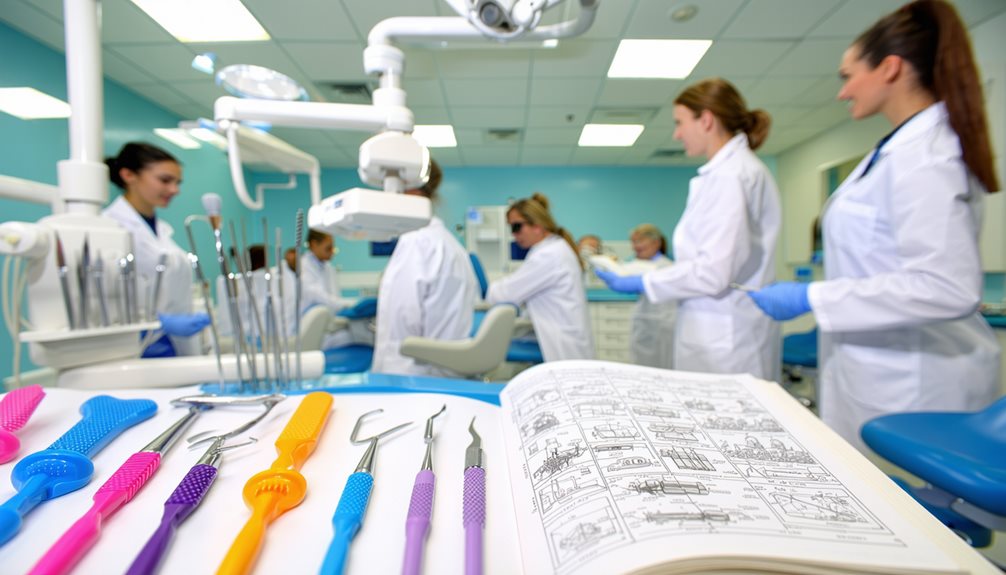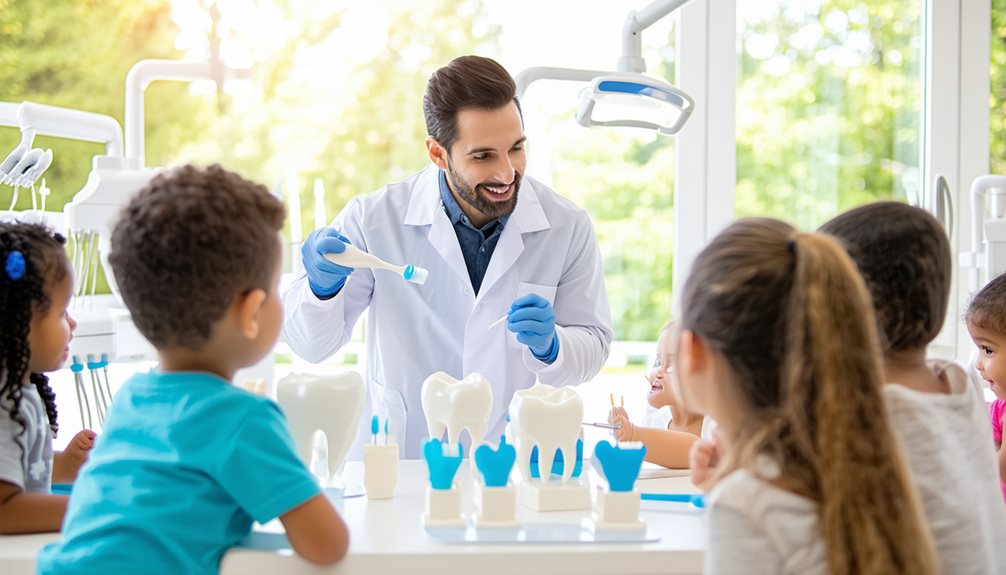
Dentist-led hygiene workshops are thorough educational sessions aimed at enhancing oral health through evidence-based approaches. These workshops integrate interactive learning techniques including hands-on practice, lectures, and virtual modules to advance participants’ understanding of preventive care and hygiene practices. They cover significant topics like advanced plaque removal, dietary influences on oral health, and patient communication skills. The workshops empower communities by promoting preventive care, reducing dental disease prevalence, and encouraging lifelong oral hygiene habits. By engaging with these workshops, participants can gain deeper insights into innovative dental practices and advanced hygiene techniques that support overall oral health.
Purpose of Hygiene Workshops
The primary purpose of hygiene workshops, frequently organized by dental professionals, is to enhance oral health awareness and proficiency among participants. These workshops serve as a critical platform for disseminating hygiene education, aiming to foster patient awareness regarding the significance of maintaining ideal oral health.
By leveraging evidence-based methodologies and cutting-edge research, dental professionals are equipped to deliver content that not only informs but also inspires behavioral change among attendees.
In the context of innovation-driven healthcare, these workshops are meticulously designed to integrate the latest advancements in dental hygiene practices with practical applications. Participants gain insights into contemporary oral care techniques, preventive strategies, and the correlation between oral and systemic health.
This thorough approach guarantees that individuals are well-informed and capable of making educated decisions about their oral health regimen.
Moreover, by prioritizing patient awareness, these workshops contribute to reducing the prevalence of dental diseases through proactive education. Attendees are encouraged to adopt preventive measures, thereby minimizing the need for extensive dental interventions.
Key Components of Workshops
In constructing effective dentist-led hygiene workshops, it is vital to identify essential workshop elements that guarantee thorough coverage of relevant topics.
Incorporating interactive learning techniques enhances participant engagement and retention of information.
These components work synergistically to create a dynamic educational environment that fosters practical skill development and knowledge acquisition.
Essential Workshop Elements
A successful dentist-led hygiene workshop hinges on several key components that assure both effectiveness and participant engagement. Central to these workshops is the meticulous selection of hygiene techniques, which must be cutting-edge and evidence-based to guarantee that participants gain actionable insights. These techniques should encompass a wide spectrum of oral health practices, from advanced plaque removal methods to the latest in fluoride application. By presenting these techniques in a structured and coherent manner, participants are more likely to assimilate and apply them in their professional practice.
Furthermore, the workshop formats play a pivotal role in the delivery of content. Formats should be designed to accommodate varying learning preferences, incorporating a blend of lectures, demonstrations, and hands-on sessions. This multifaceted approach not only caters to diverse learning styles but also fosters a dynamic learning environment.
The use of digital platforms can further enhance these formats by providing access to virtual demonstrations and interactive modules, thereby extending the reach and impact of the workshop.
Incorporating technology and innovative methodologies, these essential elements collectively contribute to a thorough educational experience, equipping dental professionals with the skills necessary to elevate patient care standards in dental hygiene.
Interactive Learning Techniques
Engaging participants through interactive learning techniques is pivotal in optimizing the educational impact of dentist-led hygiene workshops. These workshops aim to foster a deeper understanding of dental hygiene practices, leveraging innovative methods to captivate and educate.
Interactive demonstrations serve as a cornerstone, allowing participants to observe and practice key procedures in a controlled environment. This hands-on approach guarantees a thorough grasp of techniques that can be directly applied in clinical settings.
To illustrate these techniques, consider the following components:
-
Interactive Demonstrations: Facilitators guide participants through practical procedures, such as scaling and polishing, enhancing tactile learning and skill retention.
-
Engaging Activities: Group exercises and problem-solving sessions encourage collaborative learning, fostering a dynamic exchange of knowledge and experience among dental professionals.
-
Simulation-Based Training: Utilizing advanced dental simulators, participants can practice intricate procedures, honing their skills in a risk-free setting that promotes confidence and competence.
-
Feedback Loops: Immediate feedback from instructors helps participants refine their techniques, guaranteeing continuous improvement and mastery of dental hygiene practices.
These techniques not only enhance the learning experience but also contribute to the development of proficient, innovative dental professionals equipped to meet the evolving demands of the industry.
Benefits for Dental Patients
Dental patients stand to gain greatly from dentist-led hygiene workshops, which provide targeted and expert guidance on maintaining oral health. These workshops are instrumental in fostering patient empowerment by equipping individuals with the knowledge and skills necessary to take charge of their oral hygiene. By offering detailed insights into preventive care, patients are better prepared to avert common dental issues such as cavities, gum disease, and enamel erosion.
This proactive approach not only mitigates the risk of severe dental problems but also reduces the need for costly and invasive dental procedures in the future.
Furthermore, dentist-led workshops create an environment where innovation in oral care can be explored and adopted. Patients are introduced to the latest advancements in dental hygiene tools and techniques, such as electric toothbrushes, water flossers, and fluoride treatments, which contribute considerably to maintaining peak oral health.
The professional setting guarantees that patients receive scientifically backed information, enhancing their confidence in applying these methods effectively. Fundamentally, these workshops serve as a catalyst for transforming patients from passive recipients of dental care to active participants in their oral health journey, embodying a modern, preventive-oriented healthcare model.
Role of Dentists in Education
Dentists play a pivotal role in education by promoting oral health advocacy, which is essential for preventing dental diseases and fostering long-term wellness.
Through skill enhancement opportunities, dentists are equipped to deliver extensive care and stay abreast of the latest advancements in dental science.
Additionally, community engagement initiatives led by dentists can greatly increase public awareness and encourage proactive oral health practices.
Oral Health Advocacy
Although often perceived solely as healthcare providers, dentists play an essential role in oral health advocacy through education and community engagement. Their involvement extends beyond clinical care, emphasizing oral advocacy as a cornerstone of health promotion.
Dentists are uniquely positioned to influence public perceptions and behaviors regarding oral hygiene, leveraging their expertise to foster a culture of preventative care. By actively participating in educational initiatives, they drive significant advancements in community oral health.
Key contributions of dentists in oral health advocacy include:
-
Community Education Programs: Dentists design and implement workshops that educate the public on effective oral hygiene practices, thereby empowering individuals to take proactive steps in maintaining oral health.
-
School-Based Interventions: By collaborating with educational institutions, dentists can introduce innovative oral health curriculums that instill lifelong hygiene habits in children.
-
Policy Advocacy: Dentists engage in policy development, advocating for regulations that promote access to dental care and protect public health.
-
Research and Development: Through active involvement in research, dentists contribute to the development of new technologies and methodologies that enhance oral health outcomes.
These initiatives underscore the crucial role dentists play in transforming oral health landscapes, ensuring that communities benefit from innovative and effective health promotion strategies.
Skill Enhancement Opportunities
In an ever-evolving healthcare landscape, the role of dentists extends into the domain of education, where they serve as facilitators of skill enhancement opportunities. By spearheading dentist-led hygiene workshops, these professionals provide a pivotal platform for hands-on training, essential for advancing proficiency in dental hygiene practices.
Such workshops enable participants, often dental hygienists and students, to engage with cutting-edge techniques and technologies under the guidance of experienced dental practitioners. This direct interaction fosters an environment where practical skills are honed and theoretical knowledge is contextualized.
Skill assessment is an integral component of these workshops, providing participants with vital feedback and personalized insights into their performance. Through structured evaluations, dentists can identify areas for improvement, allowing attendees to focus their efforts on targeted skill development.
This iterative learning process not only enhances the competence of participants but also aligns with the industry’s commitment to continuous professional growth.
The educational role of dentists in these workshops emphasizes their commitment to advancing the dental field. By integrating innovative training methodologies and rigorous skill assessments, dentist-led hygiene workshops guarantee that practitioners are well-equipped to meet the challenges of modern dental care, ultimately elevating the standard of oral health services.
Community Engagement Initiatives
A critical aspect of dentists’ roles in education involves their active participation in community engagement initiatives. These initiatives are essential in fostering a deeper understanding of oral health within the community, advancing both awareness and practical knowledge among diverse populations.
Dentists, through community outreach programs, bridge the gap between clinical practice and public education, ensuring thorough patient involvement. Such involvement is crucial in promoting preventive care and encouraging proactive health management.
Community engagement initiatives undertaken by dentists typically encompass:
-
Educational Workshops: These are designed to address specific oral health issues, targeting various age groups and demographics, thereby enhancing knowledge and promoting healthier habits.
-
Public Health Campaigns: Collaborating with local health organizations, dentists can spearhead campaigns that highlight the importance of oral hygiene, thereby raising awareness on a broader scale.
-
School Visits: By engaging with students through interactive sessions, dentists can instill early awareness and appreciation for dental care, potentially reducing future oral health issues.
-
Mobile Clinics: These provide accessible dental services to underserved communities, ensuring equitable healthcare delivery and reinforcing the importance of regular dental check-ups.
Incorporating community outreach into their practice, dentists play an important role in shaping a healthier society, driven by innovation and education.
Workshop Topics Covered
The dentist-led hygiene workshops encompass a thorough array of topics designed to enhance both theoretical knowledge and practical skills. Central to these workshops is the emphasis on oral hygiene and preventive care, which form the bedrock of effective dental health management. Participants are introduced to advanced techniques in plaque removal, the intricacies of fluoride application, and the latest innovations in dental sealants.
These workshops also explore the critical analysis of dietary influences on oral health, equipping attendees with the knowledge to advise patients on nutrition-based preventive strategies.
Further, the sessions cover the integration of cutting-edge technology into daily practice. This includes the utilization of digital imaging for extensive diagnostics and the application of laser technologies in periodontal therapy. Such innovations not only improve patient outcomes but also streamline clinical procedures, emphasizing efficiency and precision.
Moreover, workshops provide insights into patient communication strategies, focusing on motivational interviewing to enhance patient adherence to recommended hygiene practices. By addressing these multifaceted topics, dentist-led workshops guarantee that dental professionals are well-equipped to foster an environment of preventive care, ultimately elevating the standard of oral health within their communities.
How to Find Workshops
Locating dentist-led hygiene workshops that offer such extensive training and insights is pivotal for dental professionals seeking to advance their expertise. Identifying these workshops can be achieved through a systematic approach that leverages both digital and traditional resources.
Here, we outline precise strategies to streamline the search process:
-
Online Resources: Utilize specialized dental platforms and professional networks. Websites like the American Dental Association (ADA) often list upcoming workshops and seminars, offering a digital gateway to opportunities.
-
Local Listings: Engage with dental associations and local dental schools. These institutions frequently organize workshops and can provide information through newsletters and bulletin boards, ensuring you stay informed about regional events.
-
Professional Social Networks: Platforms such as LinkedIn can connect you to industry leaders and peers who might share or post about upcoming workshops, enabling the exchange of valuable information within professional circles.
-
Continuing Education Providers: Contact reputable continuing education providers directly. These organizations often host dentist-led hygiene workshops and maintain extensive schedules that are readily accessible upon inquiry.
Frequently Asked Questions
Are Certification or Continuing Education Credits Available for Attending These Workshops?
Certification options and continuing education credits are often available through such workshops, enhancing professional expertise. These opportunities foster innovation and skill advancement, aligning with industry standards and ensuring participants remain at the forefront of dental hygiene practices.
What Is the Typical Duration of a Dentist-Led Hygiene Workshop?
The workshop duration typically ranges from a few hours to a full day, depending on the depth of hygiene practices covered. These sessions are meticulously designed to enhance professional competency and promote innovative approaches within dental hygiene.
How Much Do Dentist-Led Hygiene Workshops Typically Cost?
The workshop pricing for dentist-led hygiene workshops typically varies, ranging from $100 to $500 per participant. This cost comparison depends on factors such as the workshop’s duration, location, included materials, and the expertise of the facilitator.
Are These Workshops Suitable for Dental Students or Only Practicing Professionals?
These workshops are designed to enhance student engagement and professional development, making them suitable for both dental students and practicing professionals. They offer innovative learning experiences that bridge theoretical knowledge with practical application, benefiting all participants.
Can Workshop Participants Expect Hands-On Training or Is It Primarily Lecture-Based?
Workshop participants can anticipate a balanced approach incorporating both lecture and hands-on techniques. This innovative format guarantees an all-encompassing understanding, allowing attendees to engage actively while gaining practical experience alongside theoretical knowledge for professional development.
Conclusion
Dentist-led hygiene workshops serve as a critical platform for enhancing patient knowledge and promoting oral health. By incorporating structured educational sessions, these workshops emphasize preventive care, disease awareness, and effective oral hygiene practices. The active involvement of dental professionals guarantees the dissemination of accurate information and tailored guidance. Workshops cover a range of topics, facilitating a thorough understanding of oral health. Locating workshops can be achieved through dental clinics, professional associations, and online resources, thereby enhancing community access to essential dental education.